By: Nicholas Keung Immigration reporter, Toronto Star, Published on Tue May 07 2013
Mel Galeon started his bakery business with a gas stove and wok in a relative’s garage in Mississauga, selling homemade Filipino delicacies out of his car at community events.
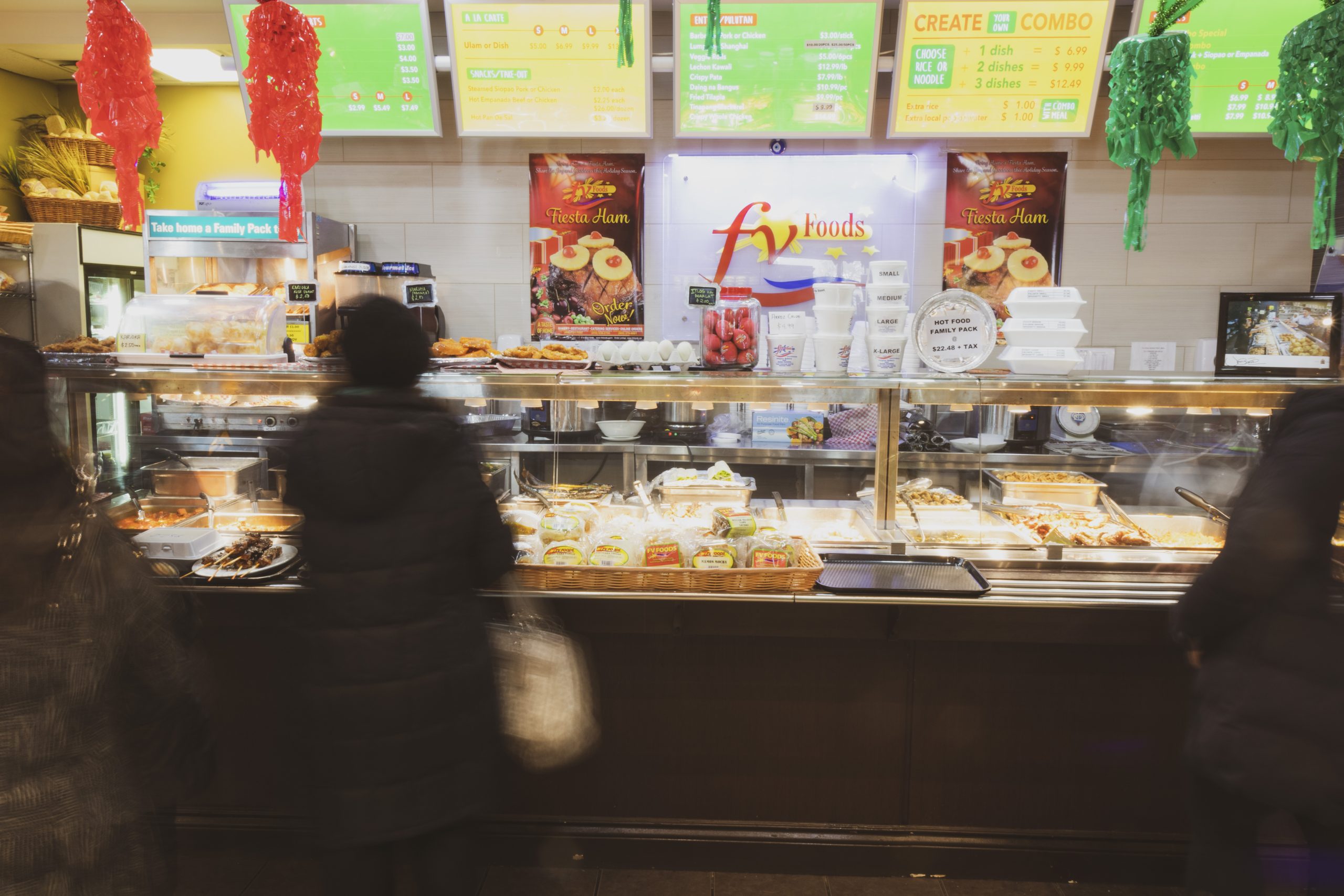
From a storefront in Toronto’s Little Manila to retail branches in ethnically mixed neighbourhoods in the suburbs, the evolution of Galeon’s business empire, FV Foods, over the last decade tells the story of how government policy plays a role in the way immigrants settle in Greater Toronto.
Ethnic enclaves — a term sociologists use to describe areas with a concentration of a particular ethnic group and a cluster of commercial and institution activities — have been part of Toronto’s history ever since the presence of immigrants in Canada, though they were known by the less flattering term “ghettoes.”
When it rains, it pours. Truly it was a great rainy morning of September 08, 2012 as FV Foods opened its sixth branch. The celebration was started at exactly 9:00 a.m. It was a new day for our business as it took a higher ground. Truly it was a great blessing from the Lord that must be took care of.
The celebration was started by thanks giving prayer and store blessing of Rev. Fr. Albert Macalipay. It was followed by a ribbon-cutting ceremony led by the President of Filipino Centre Toronto Mrs. Linda Cerredo Javier and my beloved mother from the Philippines Mrs. Violeta Albudin Vda. de Galeon.
The Asian American Hall of Fame USA 2012, inducted twelve outstanding Hall of Famers last May 12, 2012 at International Ballroom of the Hilton Hotel O'Hare, Rosemont, Illinois. It is the most prestigious award ceremony given as part of the annual celebration of the Asian American and Pacific Islander Heritage Month in Illinois, USA.
Asian American Hall of Fame USA, recognizes the many contributions and accomplishments of Asians in America, and in Canada. The success of our honorees, in their own humble way, have made us more aware of ourselves and their dedicated efforts have inspired us all. This is the reason why Asian American Hall of Fame USA continues to honor the very selected deserving individuals of the community.
It is our hope to introduce our products to the mainstream Canadian market for people of other races and / or ethnicities to enjoy our wonderful treats and take part in our amazing tradition of giving! To all of you who are patronizing our products, Mabuhay and Maraming Salamat po (Thank You Very Much!)
Some Filipinos have referred to FV Foods as "the Filipino's Dufflet" — a homage to Dufflet Pastries, a Toronto institution. Like Dufflet's, Flor hopes FV's pastries might be sold in cafés, food shops and high-end supermarkets.
Mel was always keen in business – from a young 10 year old kid , He started a small business of renting out komiks, selling yemas and turrones cooked by his aunt in school. When he was in his 3rd year in college as a nursing student, he opened a store in his mother’s house selling pasalubong sweets, longanisang Lukban, puto seko, yema, etc.
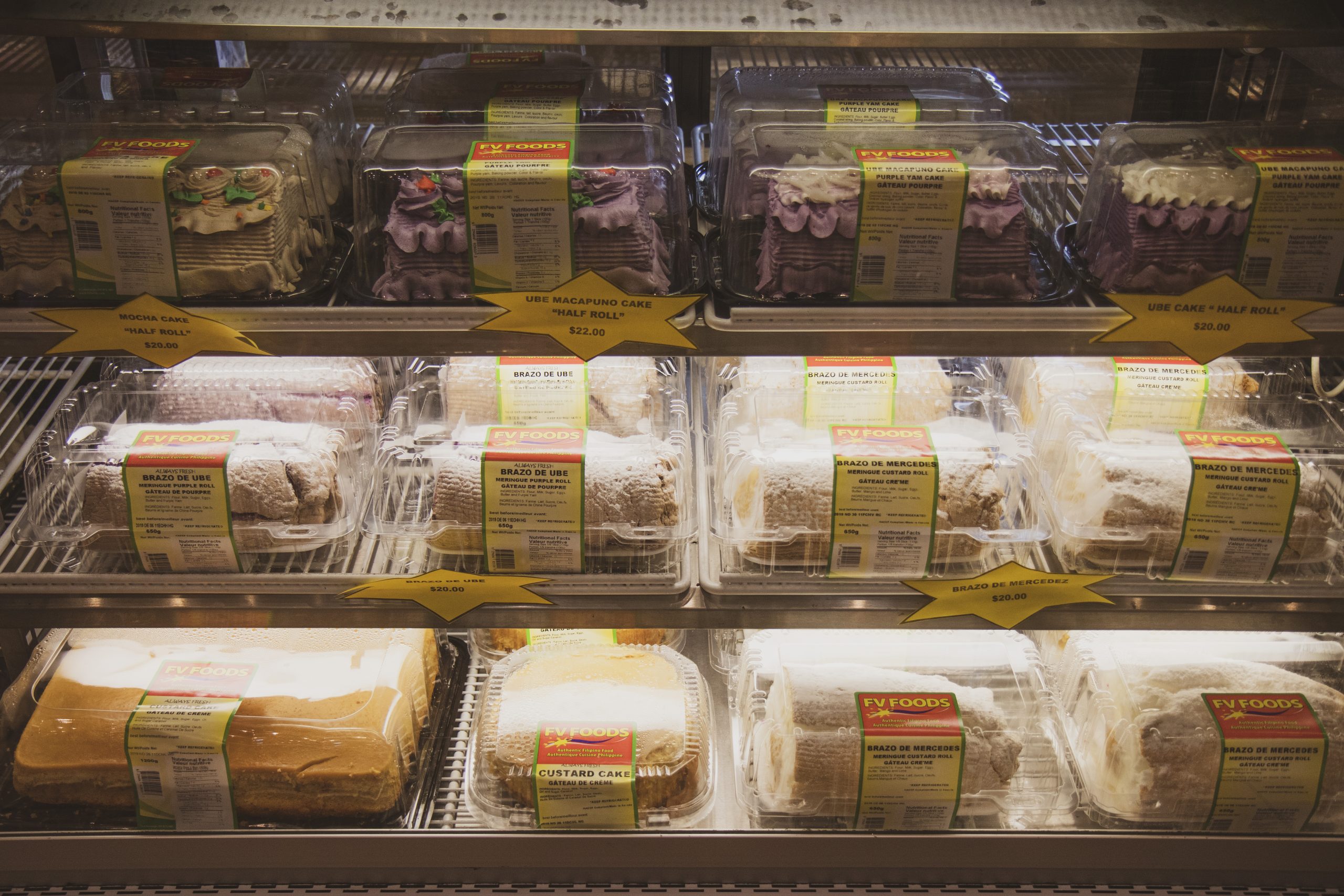
Mel makes about 50 traditional Filipino desserts, breads and snacks. They're mostly sold wholesale in 50+ Filipino and Asian stores across Greater Toronto and in Ajax, Windsor, Hamilton, Brampton, Winnipeg and Montreal.
Mel got the idea to sell baked goods after joining a Filipino trade and tourism exhibit at the CNE in 1998. He had brought some pastries that were native to his hometown of Sariaya in Quezon, a province south of the capital, Manila, that is famous for its sweets and sausages.
Ensaymada — eaten any time of the day, either as breakfast fare or a snack, and sometimes topped with shredded cheese — is the Filipinised version of the Ensaimada de Mallorca. Culinary historians often say that about 80 per cent of Filipino food has Spanish influences.
Our Mission: To bring you quality sweets, breads and pastries that caters to your distinctive taste that makes you feel at home. After all, the homesickness and cravings of fellow Filipinos started this wonderful business. Your thoughtfulness of bringing pasalubong (treats) to your loved ones is an undeniable trademark of our heritage that stands out in our multicultural community.
Another popular treat is Food for the Gods. These moist, chewy bars often make their appearance at Christmas time in the Philippines, when Filipinos — who are known for their sweet tooths — splurge on walnuts and dates, which are imported and therefore expensive.